Root Canal Treatment
Save Your Natural Tooth Pain-Free
Root canal treatment saves millions of teeth each year. Using modern techniques and advanced anesthesia, we make this procedure virtually painless while preserving your natural tooth and relieving your pain.
Treatment Time
1-2 hours per session (may require 2-4 visits)
What is Root Canal Treatment?
Root canal treatment (endodontic therapy) is a procedure designed to save a tooth that has become infected or badly decayed. It involves removing the damaged or infected pulp (the soft tissue inside the tooth containing nerves and blood vessels), cleaning and disinfecting the inner chambers, then filling and sealing the space.
Contrary to popular belief, root canal treatment doesn't cause pain - it relieves it. The procedure eliminates the source of infection and prevents the spread of bacteria, saving your natural tooth and avoiding the need for extraction.
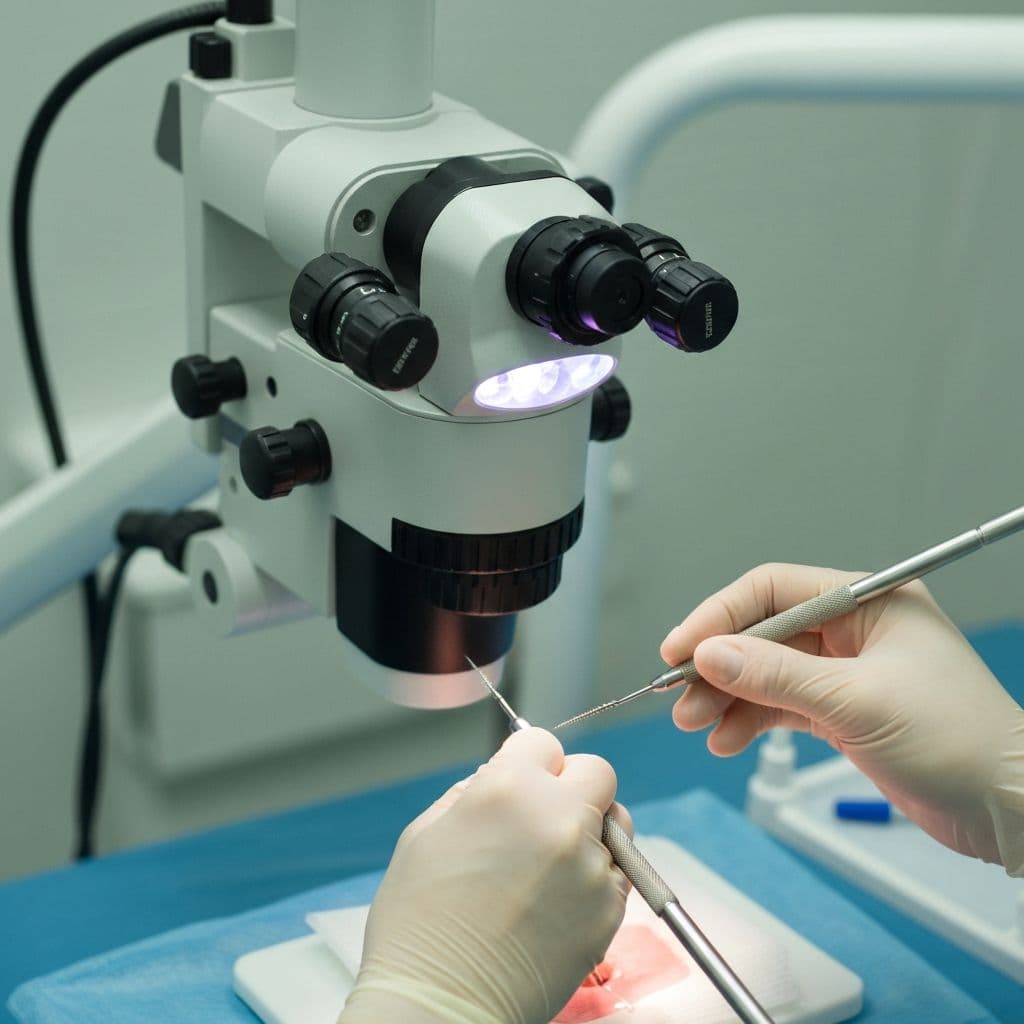
Modern root canal treatment is performed with advanced technology including digital imaging, rotary instruments, and dental microscopes, making the procedure more efficient, precise, and comfortable than ever before.
When Do You Need a Root Canal?
Severe, persistent toothache, especially when chewing
Prolonged sensitivity to hot or cold temperatures
Darkening or discoloration of the tooth
Swelling and tenderness in nearby gums
A persistent pimple (abscess) on the gums
Deep decay visible on X-ray reaching the pulp
Cracked or chipped tooth exposing the pulp
Previous trauma to the tooth, even without visible damage
Benefits of Root Canal Treatment
Eliminates infection and severe tooth pain
Saves your natural tooth from extraction
Prevents infection from spreading to other teeth
Restores normal biting force and chewing
Maintains natural appearance of your smile
More cost-effective than extraction and implant
Protects surrounding teeth from excessive wear
Success rate over 95% with proper restoration
Treatment Procedure
Diagnosis & X-rays
Detailed examination and digital X-rays to assess the extent of infection and plan the treatment. The tooth is isolated with a rubber dam for a clean, dry working area.
Anesthesia
Local anesthesia is administered to completely numb the tooth and surrounding area. You won't feel any pain during the procedure.
Access Opening
A small opening is made in the crown of the tooth to access the pulp chamber and root canals.
Pulp Removal & Cleaning
The infected pulp tissue is carefully removed using specialized instruments. The canals are then cleaned, shaped, and disinfected.
Canal Filling
The cleaned canals are filled with a biocompatible material called gutta-percha, then sealed with adhesive cement to prevent reinfection.
Crown Placement
A crown (cap) is placed over the tooth to protect it and restore full function. This is usually done 1-2 weeks after the root canal.
Treatment Duration
1-2 hours per session (may require 2-4 visits)
Recovery Time
Mild sensitivity or discomfort for a few days, manageable with over-the-counter pain relievers. Most patients return to normal activities the next day.
Frequently Asked Questions
Is root canal treatment painful?
Modern root canal treatment is virtually painless. With advanced anesthesia techniques, most patients report feeling no more discomfort than having a filling placed. In fact, the procedure relieves the severe pain caused by the infection.
How long does a root canal take?
A straightforward root canal typically takes 60-90 minutes. Complex cases (molars with multiple canals) may take longer or require two visits. Our use of rotary instruments and advanced technology makes treatment faster and more efficient.
What's the alternative to root canal treatment?
The only alternative is tooth extraction. However, losing a tooth can lead to bone loss, shifting of adjacent teeth, and bite problems. Replacing an extracted tooth with an implant or bridge is more costly and invasive than saving the natural tooth.
How long does a root canal tooth last?
A properly treated and restored tooth can last a lifetime. Studies show that root canal treatment has a success rate of over 95%. Regular dental check-ups and good oral hygiene are essential for long-term success.
Can I eat after a root canal?
Wait until the numbness wears off before eating to avoid biting your cheek or tongue. Stick to soft foods for a few days and avoid chewing on the treated tooth until your permanent crown is placed.
Ready to Get Started?
Book your consultation today and take the first step towards a healthier, more beautiful smile.